Food for Health: Food
close
close

This is default featured slide 1 title

Go to Blogger edit html and find these sentences.Now replace these sentences with your own descriptions.This theme is Bloggerized by Lasantha Bandara - Premiumbloggertemplates.com.

This is default featured slide 2 title

Go to Blogger edit html and find these sentences.Now replace these sentences with your own descriptions.This theme is Bloggerized by Lasantha Bandara - Premiumbloggertemplates.com.

This is default featured slide 3 title

Go to Blogger edit html and find these sentences.Now replace these sentences with your own descriptions.This theme is Bloggerized by Lasantha Bandara - Premiumbloggertemplates.com.

This is default featured slide 4 title

Go to Blogger edit html and find these sentences.Now replace these sentences with your own descriptions.This theme is Bloggerized by Lasantha Bandara - Premiumbloggertemplates.com.

This is default featured slide 5 title

Go to Blogger edit html and find these sentences.Now replace these sentences with your own descriptions.This theme is Bloggerized by Lasantha Bandara - Premiumbloggertemplates.com.

Showing posts with label Food. Show all posts

Wednesday, October 25, 2023

what foods are good for child growth ? Nutritious food for children everyday.

Introduction: A compelling fact or statistic about child growth is described below for the purpose of excluding the reader. So preview the key points covered in the blog post below to explain the importance of nutrition in childhood.
I). Nutrient requirements for child growth:

1. Discuss specific nutritional requirements for growth of children including macronutrients and micronutrients.

2. Explain how a child's growth and development depends on their diet.


ll). Key nutrients for baby growth:

"Gets the nutrients needed for baby's growth"

1.Protein: Explain its role and source suitable for children.

2. Calcium: Discuss its importance for bone health and suggest calcium rich foods.

3. Iron: Describe the importance of iron in preventing anemia and suggest iron-rich foods.

4. Vitamins (A, C, D): Highlight the role of these vitamins in child growth and the foods that contain them.

5. Fibre: Emphasize the need for fiber and suggest fiber-rich foods.

lll). Create a balanced diet:

1. Provide guidelines on how to prepare a balanced diet for children.

2.Discuss portion sizes, meal planning, and the food pyramid for kids.

3. Give practical suggestions for including a variety of foods in a child's diet.


lV). Growth promoting foods:

"List specific foods that are good for baby growth, each with benefits," explains:

1. Lean protein: lean meat, poultry, fish, eggs and legumes.

2. Dairy products: Milk, curd and cheese.

3. Whole Grains: Whole wheat, brown rice and oats.

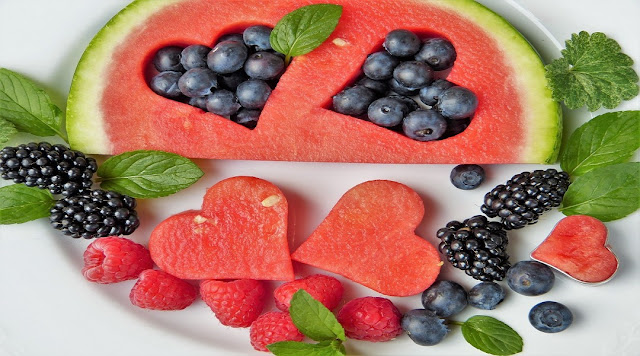
4. Fruits and vegetables: colorful options rich in vitamins and minerals.

5. Nuts and seeds: Moderate for healthy fats and protein.

6. Superfoods: Highlight superfoods like broccoli, spinach and berries.

V). Foods to Limit or Avoid: 

"Discuss foods and beverages that should be limited or avoided in a child's diet."

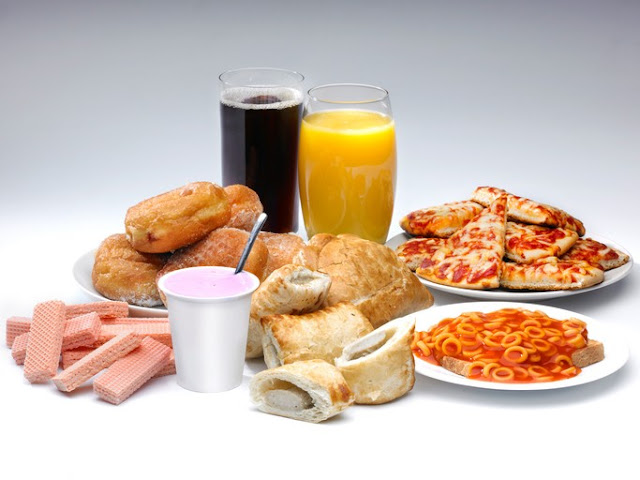
1. Sugary snacks and drinks.

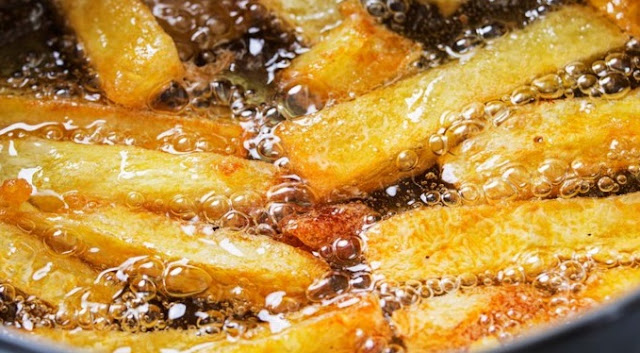
2. Processed and fast food.

3. Excess caffeine.

4. High-sugar cereals and desserts.


VI). Meal Plans and Recipes:

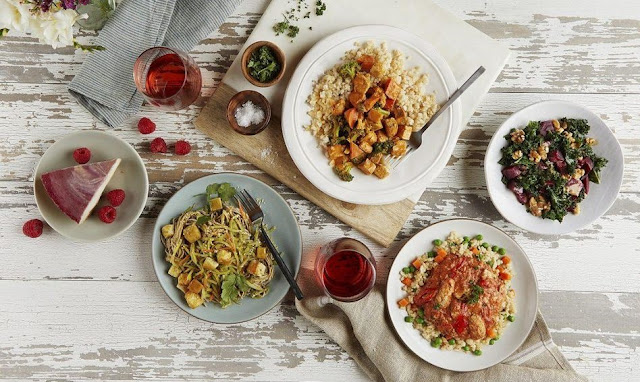
1.Provide practical meal planning tips for parents to ensure their child receives proper nutrition.

2. Share some kid-friendly, nutritious recipes that parents can try.


VII). Addressing Picky Eaters:

1.Give advice on dealing with picky eaters.

2. Recommend strategies for introducing new foods and flavors.

Vlll).Conclusion

1. Summarize the main points from the blog post.

2. Emphasize the importance of a balanced diet for child growth.

3. Encourage parents and caregivers to prioritize their child's nutrition for a healthy future.


Additional resources:

                               Links to reliable sources or books are provided for further reading and information about infant nutrition. The blog's information and outline is a well-structured one about foods that promote baby growth.

Sunday, October 22, 2023

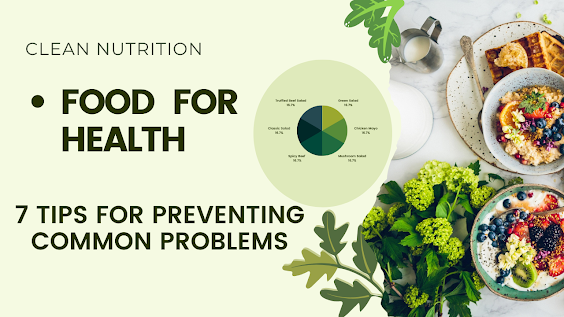
clean nutrition

Food for Health: 7 Tips for Preventing Common Problems

Introduction: Summarize the importance of nutrition in maintaining good health. Mention that the post will provide tips on how making the right food choices can prevent common health problems.


  Section 1 : Understanding the Effects of Diet on Health

i) Explain the direct link between diet and overall health.

ii) Discuss how poor food choices can lead to health problems.

iii) Explain the concept of preventive nutrition.


               Section 2: Heart Health

i) Discuss the role of a heart-healthy diet in preventing heart disease.

ii) List foods beneficial for heart health.

iii) Provide tips for reducing saturated fat and sodium intake.


               Section 3: Bone Health

i) Explain the importance of calcium and vitamin D for strong bones.

ii) Discuss foods that support bone health and prevent conditions like osteoporosis.

iii) Provide dietary advice for bone health, especially for the elderly.

               Section 4: Digestive Health

i) Explain how a balanced diet can prevent common digestive problems.

ii) Discuss the importance of consuming fiber-rich foods and water.

iii) Offer tips for maintaining a healthy gut microbiome.


                 Section 5: Weight Management

i) Discuss how maintaining a healthy weight is important for preventing various health problems.

ii) Emphasize the importance of portion control and balanced meals.

iii) Provide practical tips for achieving and maintaining a healthy weight through diet.


                Section 6: Skin Health

i) Explain how diet affects skin health and appearance.

ii) Discuss foods rich in antioxidants and vitamins that are beneficial for the skin.

iii) Provide tips for a diet that promotes clear and glowing skin.

                 Section 7: Immune System Support

i) Explain how food can boost the immune system to fight common infections.

ii) Discuss foods rich in immune-boosting nutrients like vitamin C and zinc.

iii) Offer dietary tips for strengthening the immune system.


Conclusion:  Summarize the main points discussed in the blog post. Emphasize the idea that diet can be a powerful tool for preventing common health problems. Encourage readers to make conscious dietary choices for a healthier and happier life.

Thursday, May 16, 2019

Food Rich In Vitamin B6-Various Natural Sources Of Vitamins.

Food is source of vitamin B6. Various natural food rich in vitamins. Useful food for health and balanced diet. Prevention of avitaminosis. Small cutting board with name of vitamin B6. Top view

Tuesday, May 14, 2019

12 Foods for Healthy Skin - All things body, skin, and hair

Nutrition is important for health. An unhealthy diet can damage your metabolism, cause weight gain and even hurt organs, such as your heart and liver.

But what you eat also impacts another organ — your skin. As scientists learn more about diet and the body, it's increasingly clear that what you eat can significantly affect the health and aging of your skin.

This article takes a look at 12 of the best foods for keeping your skin healthy.

100 Best Health Foods- Parragon Books, Love Food For Health.

Series: 100 Best
Paperback: 224 pages
Publisher: Parragon Books; 1 edition (September 7, 2011)
Language: English
ISBN-10: 1407564455
ISBN-13: 978-1407564456
Product Dimensions: 6.8 x 0.8 x 8.2 inches
Shipping Weight: 1 pounds (View shipping rates and policies)
Average Customer Review: 3.9 out of 5 stars   8 customer reviews
Amazon Best Sellers Rank: #1,123,434 in Books (See Top 100 in Books)
#8320 in Other Diet Books
#15070 in Special Diet Cooking (Books)
Would you like to tell us about a lower price?
If you are a seller for this product, would you like to suggest updates through seller support?

seller support Ling Below

The 12 Best Heart Healthy Foods for life long

The heart is a remarkable organ that beats around 100,000 times a day. It is only the size of your fist yet supplies every organ and cell in your body with oxygenated blood. Damage to the heart can reduce its pumping power, forcing it to work harder to keep up with the demands of the body.  In this article, you will discover the best foods to support your heart and keep inflammation under control.

Heart disease is the number one killer of men and women in the United States and one of the top killers worldwide. The first step in preventing yourself from becoming a part of this statistic is to live a heart healthy lifestyle.

There has been a great deal of misinformation over past decades regarding the causes of heart disease with much of the blame being misplaced on saturated fats and cholesterol. We now know that chronic inflammation is the root cause of heart disease. While certain dietary components do play a large role in heart disease risk, eating in a way that is anti-inflammatory is one of the best ways to mitigate heart disease risk.

Sunday, April 14, 2019

The 5 best exercises to tone your legs

 The 5 best exercises to tone your legs
Based on the need for physical activity to maintain a healthy lifestyle, leg toning exercises have a plus: they help to stylize one of the parts of the body that is most labor-intensive and worrisome, because to the high accumulation of fatty tissue in this area.

We advise you to steal a few minutes to your routine to include this TOP 5 of exercises to tone them. They are recommended by Intimina's experts and are perfect for effective results in record time. Yes, maximum No. 1: constancy.
1.The camber:
 The camber
Why: Skipping rope is a powerful cardiovascular exercise that allows you to burn calories and lose weight. In addition, it is one of the best exercises because it involves every muscle in the body. It is beneficial for the heart because it helps reduce heart rate and blood pressure.

How much: Jump rope 5 days a week for 10 or 20 minutes. Not only will it bring incredible results to your body, it will also help you eliminate stress.

2.Bridge:
 Bridge
What for: Not only is it great for toning legs, but it also helps strengthen the buttocks and fight cellulite. How: Place a mat on the floor and lie on it on your back, arms stretched out to the sides. Lift the pelvis to the ceiling and hold what you can You can make 3 sets of 15 seconds each. And for more benefits, place a lightweight disc on your abdomen.

3.Remember:
 Remember
Do high-impact exercise like the latter, skipping rope, can also affect the health of the pelvic floor. 40% of women do not know what these exercises can weaken the pelvic muscles. So if you are going to include this TOP 5 of exercises to your routine, it does not hurt to finish your exercise with one more: the Kegel exercises. With five minutes it will be enough.

A plus: There are exercises that can help you get started. For example, the Kegel Routine Laselle by Intimina, with 3 spheres of different weights that provide the right amount of resistance to ensure that you are performing the correct technique.

4.Heel lift:
What for: It is ideal for toning the back and back of the legs. How: To do this, you must stand up and spread your legs at shoulder height. Stand on tiptoe, holding what you can and slowly lower to fully support your foot on the ground. Keep your head and back straight. Repeat in 3 sets of 10 repetitions each and rest between each set.

5.Step:
 Step
What for: Perfect because it combines aerobic with bodybuilding. And it's easy, because you do not need to go to the gym. In addition, one of the advantages offered by this exercise is that it favors the ability of coordination and flexibility since it is a constant movement of legs and arms in the form of choreography. How: Go up and down a step in the case of not having the rectangular platform known as 'step'.

Saturday, March 30, 2019

The 7 benefits of tea For Health.

 The 7 benefits of tea For Health.
The tea is originally from China and is a beverage deeply rooted in India and England. Of course, being one of the most consumed beverages in the world is not by chance. The many benefits of tea have made many people incorporate tea into their daily routine.

Still do not know the benefits of our tea? We tell you below.
The 7 benefits of tea
  • It has antioxidants. Antioxidants are a germ of vitamins, minerals and fiber. Thanks to its multiple properties, antioxidants delay the aging process. They safeguard cells and tissues against free radicals.

  • It protects the immune system. The tea has a high amount of flavonoids and vitamin H that tend us a hand so that the body's defenses work and in the same way, elude cell damage.

  • Reduces the risk of cardiovascular disease. It prevents coagulation in the blood, which is one of the causes of vascular accidents and heart attacks. Although there is no scientific evidence has been shown that there is a relationship between the consumption of tea and the decrease in the occurrence of these diseases.

  • Attacks anemia Tea is one of those foods included in the list to alleviate iron deficiency.

  • Provides hydration. Tea contributes to good hydration for our body to function properly. In addition, it is a different way of taking the recommended 2 liters of water per day.

  • It is diuretic. It is a natural diuretic that helps us eliminate toxins from our body.

  • No calories. If you are taking care of yourself and you want to lose weight, tea is a good ally because when drinking hot drink it has a highly satiating power and that is why it helps to eliminate the anxiety for food.

As you can see there are many benefits of tea, as well as the benefits of coffee for health that we talked about in previous posts. But the question is: what do you prefer, coffee or tea?

Friday, March 1, 2019

Tometo Planning Rules And vitamin.


 Tometo Planning Rules And vitamin.
Tomato is produced in the world after potato. Tomato is one of the main vegetables in most countries. Tomatoes are eaten raw, cooked and cooked. Tomato sauce, ketchup, chutney, juice, paste, powder etc are consumed every year in the form of a large quantity. Tomato is mainly used for Vitamin-C. But its color, flavor and taste also attract many. Most of the tomatoes are eaten salad.

Nutritious tomatoes
Tomato is a very nutritious vegetable. The nutrients that contain 100 grams of food per 100 grams of water are: 93.1 grams of water, protein 1.9 grams, fat 0.1 grams, mineral 0.6 g, fiber 0.7 grams, carbohydrates 3.6 g, sodium 45.8 milligrams, potassium 114 milligrams, copper 0.19 milligrams, sulfur 4 milligrams, chlorine 38 milligrams, vitamin 320 international units, thiamine 0.07 milligrams, riboflavin 0.01 milligrams, nicotinic acid 0.4 milligrams, V. Amina-C 31 mg, 15 mg of magnesium, oxalic acid, two milligrams, 36 milligrams of phosphorus and iron is 1.8 milligrams. Tomato nutrition as well as herbal value. Shells and Juice Fresheners and Hunger Tomato also works as a blood transfusion.

Species
Tomatoes are now being cultivated in the country and in abundance in the country. Tomato is not only produced in our country but also in the whole vegetable crop, potato and sweet potato are the most widely grown tomato. Because tomato is a very nutritious vegetable. Both raw and seasoned tomatoes are beneficial for the body. The Bangladesh Agricultural Research Institute (BARI) and the Bangladesh Atomic Research Institute (BIN) have invented several varieties of tomatoes, which also result in the festival. Apart from this, tomato is now being used all over the country for some hybrid varieties. However, many modern high yielding varieties of tomatoes have been invented in the country, which produce good yields. In all, the country is now cultivating tomato varieties over fifty. Needless to say, most of it is hybrid. The popularity of the variety of hybrid varieties of tomato cultivation is increasing day by day to give good results for the occasion. Tomato cultivation has increased in the northern regions of the country, especially in Dinajpur, Thakurgaon and Panchagarh. It is now dependent on the cultivation of which varieties will be more profitable, depending on season and market rates. But it is possible to get more profit by cultivating tomato in advance or in the navel and in the summer than in the high season.

According to the season, the cultivable tomato varieties can be divided into roughly the following categories:
Early varieties - These varieties are in the winter, but the result of the advance. Early varieties of seeds are sown from July to September. Notable among the early varieties are Bari tomato 4, Bari tomato 5, Roma VF, Romario, Tipu Sultan, Great Pele, Delta F1, Development F1, Pusharubi, New Silver F1 etc.

High seasonal varieties - These varieties of fruit bear fruit in the winter season. In September-October, seeds of these varieties were planted in October-November. Most species result in winter. Among these varieties Manik, Ratan, Bari tomato 3, Bari tomato 6, Bari tomato 7, Bari tomato 9, Bahar, Mahua etc can be selected.

Nabi winter seasonal varieties - These varieties of seeds are grown in January, fruits are available from March-April. Bawar, Roma VF, Raja, protection etc. are good for cultivating the Nabi.

Suitable varieties of cultivation throughout the year - Any time of year, planting of tomato seedlings and planting of these trees is true, even on those trees flowers are also available. But 'all kinds of trees do not bear fruit. For this reason, suitable varieties of cultivation like Barry Tomato 6 (Chaiti) can be cultivated throughout the year.

Seeds and seed soil cleansing
Tomatoes are cultivated by making sapling. For this, sapling seeds have to be made and there is to make saplings. For successful cultivation of tomatoes, seeds that are bought or treated in the house should be treated first. If possible, before sowing, it should be done to test the pelvic examination before sowing. Once the seeds are not sown in the seed bed or the low-weeds or the saplings, then the disease will be damaged. Many of the seeds are hidden in the bacteria. For example, early bruising or early blight disease, mosaic virus, fungal diseases, etc. may lead to germs of the disease. These diseases become active after getting water on the ground. As a result the seedlings die. Again, there may be some bacteria in the seed bed too. Such as sapling or dumping of disease germs. These pathogens can also attack Charaka. That is why it is better to clean the seed bed.

Seeds can be cleansed in a few ways. It is easy to soak the seeds in hot water and make it easy to clean. If the seeds of tomato in 30 minutes of hot water at 500 cents temperature, then the seeds on the body or the bacteria and fungal germs in the body die. Then the seeds that are wet will be dried and sown in the shade. Some plants can also be cleansed with plants. This can be done with garlic juice. Besides, seeds can also be modified with fungicide. And after planting soil on the ground floor, mixing organic manure with polythene, after covering two weeks, many microbes in the soil die due to the sun's heat and the seeds of the seed bed are cleansed. If there is no time to spread the wood powder by spreading 3 inches thick on the soil of the seed bed, the disease is also damaged in the heat.

Planting
Tomato can be cultivated directly on the soil in the field. However, in order to get good yield quickly, the seedlings will be planted separately and planted in the original soil. For this, clean seeded soil should be cleaned and seedbed with good soil cultivation. After the cultivation, the soil should be made flat by making a bed of 1 meter wide. The bed is 3-5 meters long without too long. It is in the service of care. Sprinkler seeds can be sown seedlings. For sowing, usually: Seeds of 100-150 g of seeds per square meter. It takes 6-14 days to grow seedlings from seeds

Tuesday, February 19, 2019

Coca-Cola is releasing a new Coke flavor for the first time in over a decade.


 Coca-Cola is releasing a new Coke flavor for the first time in over a decade.
Coca-Cola fans rejoice. On February 25th, the soda company will release a new Coke flavor for the first time in over a decade. And man, oh man, is it a sweet one. Please give a warm welcome to Orange Vanilla Coke, which will also be available in Orange Vanilla Coke Zero Sugar.
After considering threenew Coca-Cola flavor options raspberry, lemon, and ginger—focus groups urged the company to go with orange and vanilla. Coke Orange Zero was released in Australia in 2018 as was Coke Orange Vanilla in Canada, and consumers in both countries loved the flavor.We hope this new Coca-Cola flavor tastes like a Creamsicle dropped into a can of Coke. That’s something we can get behind.
Diet Coke is also sporting two newflavors: Blueberry Acai and Strawberry Guava, which were released last month. So, yes, you could definitely say that Coca-Cola lovers have a lot to look forward to.We cannot waitto try Orange Vanilla Coke when it hits shelves later this month. Our summertime plans just got a lot sweeter.

Banning Artificial Trans Fats:

Are we ready?
 Banning Artificial Trans Fats Are we ready?
Partially hydrogenated vegetable oils are increasingly being banned due to the health risks of artificial Tran’s fats. Is your lab ready to detect these compounds in food?

Partially hydrogenated vegetable oils are increasingly being banned due to the health risks of artificial Tran’s fats. Is your lab ready to detect these compounds in food? Check out our blog evaluating which GC column gives you the best results.

The safety and integrity of Rice production

 The safety and integrity of Rice production
Rice, wheat, and maize are the world’s three leading food crops; together they supply over 40% of all calories consumed by the entire human population. Of these three major crops, rice is the most widely consumed food crop for people in the developing world. It has been estimated that over half the world’s population subsists wholly or partially on rice.
The safety and integrity of rice production worldwide faces substantial challenges. Fraud in the rice supply has been well known for some time but the types of fraud and its scale appears to be increasing dramatically. Reports of counterfeiting, ‘toxic rice’ and ‘plastic rice’ are now frequently reported in the media around the world. This has served to fuel substantial fears in many that what they and their children are eating is not safe.
So how much truth is in these reports and what can be done to detect rice fraud at a global level? The webinar will outline some of the facts & myths about rice fraud and present some of the very latest ways we can fingerprint rice to help stop criminals getting away with cheating the global citizen.

Food industry warns UK Environment Minister on Brexit crisis


Numerous food associations have put forward a letter to the Environment Secretary detailing how consultations should be set back for review.
The UK food industry has threatened to stop cooperating with government policy consultations, stating the impact of a catastrophic ‘no-deal’ Brexit.
The Environmental Secretary Michael Gove received a letter from over 30 business leaders, who commented saying it looked “ever more the likeliest outcome” that the UK would leave the EU without an agreement.
“We are meeting weekly with representatives from our food and drink industry to help prepare for all scenarios,” said a spokesperson for the Department for Environment, Food and Rural Affairs.
The government has stated that leaving the EU with a deal is its “top priority”.
The food industry has stated that the current situation was potentially a ‘moment of crisis’ for the industry. Among those who signed the letter are the heads of the National Farmers’ Union, UK Hospitality and the Food and Drink Federation. 
Other members of trade bodies, such as Mondelez subsidiary Cadbury; KP Snacks, which makes Hula Hoops; and Butterkist popcorn, as well as consumer goods giant Nestle, also signed the letter.
It read ‘neither we nor our members have the physical resources nor organisational bandwidth to engage with and properly respond to non-Brexit related policy consultations or initiatives at this time.’
The ‘government has recruited many extra staff; we cannot.’
Over 30 trade associations signed the letter, initially seen and reported by Sky, where they argued that their focus on mitigating the potential consequences of a hard Brexit means they have insufficient resources to address other policy issues.
The letter focuses on the sense of frustration in the industry, and that they want specific consultations to be delayed; such as the deposit return scheme for England and Wales, national recycling service, plastic item tax and the consultation on the sustainable use of pesticides.
The letter comes two weeks after some of the biggest UK retailers warned that a ‘no-deal’ Brexit would undermine the complex supply chain, and threaten food security in the UK.

What is Processed Food?


First, we should start on the tricky subject of definitions.
 What is Processed Food ?

Jones and Clemens published a nice summary of how various organizations differ in their definitions of “processed food” (3). The United States Department of Agriculture and other government organizations, for example, tend to use a broad definition that includes any changes from a natural state – such as washing, heating, and cooking, to adding preservatives, flavors, additives, etc. The American Institute for Cancer Research uses the term “minimally processed” to denote vegetables, grains, and beans prepared without much added to them, or minimal refining. Then there is the “NOVA” system, an attempt by Dr. Carlos Monteiro and colleagues to categorize food processing into: “unprocessed or minimally processed foods”, which are essentially unmodified from nature or include light processing such as drying, boiling, freezing, etc., “processed culinary ingredients”, “processed foods”, and “ultra-processed foods” as the extreme, which includes foods made with ingredients with limited “unprocessed foods”, such as concentrated energy sources like sugars, oils, fat, salt, extracts like casein, lactose, and whey, or additives like dyes, flavors, sweeteners, etc. (4). There doesn’t appear to be good published data on what the public considers processed food, although the International Food Information Council (IFIC) has developed definitions with input from consumer focus groups, discussed below.


Kalusugan ng puso at pag-iwas sa stroke


 Kalusugan ng puso at pag-iwas sa stroke
Ayon sa mga numero na inilathala sa 2017, ang bilang ng 92.1 milyong katao sa U.S. ay may hindi bababa sa isang uri ng sakit sa puso. Ang mga kondisyon na ito ay higit na kinasasangkutan ng mga vessel ng puso o dugo.

Ayon sa Heart and Stroke Foundation ng Canada, hanggang sa 80 porsiyento ng mga kaso ng wala sa panahon na sakit sa puso at stroke ay maaaring pigilan sa pamamagitan ng paggawa ng mga pagbabago sa pamumuhay, tulad ng pagtaas ng antas ng pisikal na aktibidad at malusog na pagkain.

May ilang katibayan na maaaring maiwasan ng bitamina E ang mga clots ng dugo, na maaaring humantong sa pag-atake sa puso. Ang mga sumusunod na pagkain ay naglalaman ng mataas na antas ng bitamina E:
almonds
mani
hazelnuts
sunflower seeds
luntiang gulay
Matagal nang kinikilala ng medikal na komunidad ang ugnayan sa pagitan ng mga taba sa trans at mga sakit na may kaugnayan sa puso, tulad ng coronary heart disease.

Kung ang isang tao ay magtatanggal ng trans fats mula sa pagkain, ito ay magbabawas sa kanilang mga antas ng low-density lipoprotein cholesterol. Ang ganitong uri ng kolesterol ay nagiging sanhi ng plaka upang mangolekta sa loob ng mga arteries, pagdaragdag ng panganib ng atake sa puso at stroke.
Ang pagbawas ng presyon ng dugo ay maaari ding maging mahalaga para sa kalusugan ng puso, at ang paglilimita ng paggamit ng asin sa 1,500 milligrams sa isang araw ay maaaring makatulong.

Ang asin ay idinagdag sa maraming naproseso at mabilis na pagkain, at ang isang tao na umaasa na babaan ang kanilang presyon ng dugo ay dapat na maiwasan ang mga ito.

Gumawa ng 10 Murang Plant Batay sa Pagkain

Higit pa sa mga leafy greens
 Gumawa ng 10 Murang Plant Batay sa Pagkain
Ang lumalaki mula sa lupa at lupain sa aming talahanayan ay hindi lamang mas mababa sa kapaligiran na mahal kaysa sa karne, na kadalasan ay nangangailangan ng higit na mapagkukunan, tulad ng gasolina at pataba, at naglalabas ng mas maraming greenhouse gases sa produksyon; Mas madali din sa aming mga wallet. Subalit kung ang isang tao ay maaaring isaalang-alang ang veganism, isang vegetarian na pagkain o lamang walang karne sa Lunes o kung hindi man ay babalik nang bahagya sa kanilang mga mahilig sa karniboro, ang reputasyon para sa isang tala na pagkain - tulad ng mga salad ng hlandya - o gastos na humahadlang sa paggawa ay maaaring maging sanhi ng paghinto ng isang tao na pindutan. Sinasabi ng mga eksperto sa nutrisyon na mas malapitan ang hitsura - at ang ilang pagkamalikhain sa kusina (walang kinakailangang karanasan sa pagluluto ng chef) - nagpapakita, gayunpaman, na maraming mga masasarap at magastos na pagpipilian.

Monday, February 11, 2019

Recipes #Make Pizza In Yours House (Health Tech)


              ➥Directions
  1. ü  To make the base:
  2. ü  Combine all ingredients in a bowl and mix until completely combined.
  3. ü  The mixture should be a little wet, not like a traditional pizza base.
  4. ü  On a large tray lined with paper, place the dough mixture and press out until it’s about 1cm thick. (Wetting your hands will help the mixture not stick to you).
  5. ü  Place the base in the oven for about 7 minutes, until slightly cooked.
  6. ü  Remove from the oven.
   Add toppings to pizza:
  1. ü  Top your pizza first with the minced garlic spread evenly.
  2. ü  Sprinkle half of the mozzarella cheese,
  3. ü  Add the prawns, basil, capsicum, spinach & boccocini.
  4. ü  Finally, sprinkle the remainder of the cheese on top.
  5. ü  Place back into the oven a further 10-15mins.
  6. ü  Combine all ingredients for the pizza sauce.
  7. ü  Drizzle over baked pizza
For the base                                                     For the topping
Ø  200g almond meal                                       -3 cloves garlic, minced
Ø  200g tapioca flour                                       -500g peeled prawns
Ø  5 egg whites                                                -1/2 bunch basil
Ø  1/4 cup olive oil                                          -50g baby spinach
Ø  1 tsp garlic powder                                     -1 cup mozzarella cheese, grated
Ø  1 tsp bi-carb soda                                       -100g boccochini cheese
Ø  1/4 tsp garlic powder                                  -1/2 red capsicum, finely sliced
Ø  1/4 tsp onion powder                                -1/2 yellow capsicum, finely sliced
Ø  1/2 tsp salt
Pizza sauce
Ø  1/2 cup good quality whole egg mayo
Ø  1 tbsp tomato paste
Ø  1/4 tsp salt
Ø  1/4 tsp wasabi paste

Sunday, November 4, 2018

Potatoes// Various aspects of its benefits by starting potato cultivation


Potato is one of the most important food crops, Solanum tuberosum, clan solanaceae. Potatoes are probably the local crop in America. During pre-Columbian times, its cultivation spread widely among the indigenous peoples of America. It was the main food for them. Its history is difficult to know, because the early writers used 'potato' names for sweet potato (Ipomoea batatas) and other non-related plants. The Spanish explorers brought it from Peru in the 16th century in Spain, from where it spread throughout northern and eastern Europe. European settlers probably brought it to North America in the year 1600; Thus, like the tomato, it is established as a remedial foodflow in the Western Hemisphere. Potato as a major crop was first adopted in the British Isles. In Ireland it became the main foodstuff in the eighteenth century, and for this reason it was commonly called Irish potato to separate from the sweet potato. In the twenty-first century of the history, potatoes were important in Europe, especially in Germany, where it kept the country alive during World War II. High stomach potato is a main food of the West today, as well as a source of starch, flour, alcohol, dextrin and gooseberry (mainly in Europe). It is best grown in cold and humid climate; In the United States, especially in Maine and Idaho. Germany's largest potato producing countries are Germany, Russia, Holland and Poland.

When the potato cultivation started in the Indian subcontinent, it is not properly known. It is believed that in the beginning of the seventeenth century Portuguese sailors brought the first potato in India. The first record of potato cultivation in India is found in a number of The Gardening Monthly Magazine published in England in 1847. Initially potato was cultivated in the surrounding areas of Calcutta, where potato cultivation was introduced in Cherrapunji. While Warren Hastings was Governor (1772-1785), his initiative spread potato cultivation in many provinces, including Bombay. Potatoes are an herbaceous, yearly crop; Generally two to three eye-shaped ears are propagated by planting plants. The seeds of the same species are not found in the same species of seed. The stems are straight or sebaceous, the lacquers, the orbital or the branchless. Depending on the species, the stems are round or angular, foamy or debris, green or red, purple.

The fruit is round, brown-green or purple, with kidney shaped seeds, usually 12 to 18 mm in diameter. On the basis of variety, soil, weather and temperature and light day, the size, shape and color of the rings vary greatly. The bulb of popular varieties is usually round, oval or oblong. Nutritious tuber is a good source of starch and starch and is a good source of proteins, vitamins 'C' and 'B', potassium, phosphorus and iron. Most minerals and proteins are concentrated in a thin layer below the skin and the skin itself is the source of food foil.

There are hundreds of varieties of potato cultivation in the world. These differences are externally, the shape of the ear, the size and the color, the maturity time, the cooking and marketing characteristics, yield and the prevention of disease and insect-spider resistance. A suitable one area may not be suitable for other areas. The varieties of potato cultivated in Bangladesh can be mainly divided into two classes, local and high yielding (Uffashi). The alleged local varieties are not entirely local. In the long run, they were brought to this part of the subcontinent, and due to gradual degradation due to the absence of development efforts, they became subservient. Despite being subsistent, some local varieties are still cultivated for different flavors.

Around 27 varieties of native varieties of potato are cultivated in different parts of the country. They have a localized name According to the statistics, in 2004-05, cultivating local varieties of about 1,83,446 acres of land was produced and 5,99,518 m tons of potato was produced. Known local varieties are (a) Shilbaliati - mainly cultivated in Rangpur. Bulb rectangular, reddish Every ear weighs about 30 grams. (B) Drabhal - mainly cultivated in Bogra, the bulb is round, reddish, each weighing about 55 grams. This species is also known as Lalmadya or Bograi. (C) Lalappakari- Extensively cultivated in Dinajpur, Bogra and Sirajganj districts, bulbs of red are round, round, each weighs about 30 grams. (D) Dohazari - mainly cultivated in Chittagong area, round and fakes, each weighing around 25 grams Among other ethnic species, Zaubalati and Surja Mukhi are notable.

In the last few decades, dozens of high yielding potatoes were brought to Bangladesh and before experiments were made for general cultivation, they were experimentally examined in the local environment. Then many varieties were released for cultivation. Considering the fair value of the cultivation of varieties and other features, about 36 Uphasi varieties have been released in the country for cultivation. Of course, Bangladesh Agricultural Development Corporation (BADC) imports approximately 200 m tons of potatoes every year to distribute among the farmers. Bangladesh Agriculture Research Institute (BARI) has set up a farm in Debiganj, Panchagarh for the production of Uphasi variety seeds. Among the high yielding popular varieties, the following species are notable (a) Cardinal- Rectangular, reddish bulb, shallow eyes, skin smooth The species has been brought from Holland. The yield capacity is 20-30 m tons per hectare. (B) Another species of Holland, rectangular from oval, yellow bulb in feces, skin blisters and eyes shallow. It has the potential for moderate disease resistance. Hectare yields 25-30 m tons. (C) Kufri syndery- tubers are reddish, round, eyes deep, and leathery. Caste was brought from India; Less sensitive to disease. But now the cultivation of the species has decreased. Among other notable other prominent varieties are Patronis, Mulata, Hira, Morin, Orgo, Islesa, Granula, Felsina, Raja, Dura, Estrichs etc.

Since its inception in 1977, BARI's Kandal Crops Research Center has collected many new varieties of potatoes from the International Potato Research Center, Peru and other sources. They are being tested at the country's level to determine whether any of them are suitable for cultivation in Bangladesh. The center has already made an important contribution to the cultivation of some high yielding potato varieties. Potato production is possible in 42,55,863 m tons by cultivating high yielding potatoes in 6,222,828 acres of land in 2004-05.

Cultivation In winter, potatoes are widely cultivated in all the districts of Bangladesh. Suitable for planting well-applied sunbed sun with adequate moisture on the soil. The appropriate time is November's first party. In some parts of the northeast, the farmers planted potatoes in October to harvest crops early in October. In fact, the whole of the planted potatoes are planted in hand. Farmers determine the distance between seeds and side by side depending on soil quality and potato varieties. Row distance is usually 45 to 60 cm The typical depth of planting depends on the temperature of the soil and moisture, the next possible time of planting, and later on the type of field management. If the plantation is shallow, then only about 5 cm, then the soil is gradually to be raised above the rows. To protect sunlight and insects from diseases, it is ensured to cover the growing tubers well with soil. To protect the humidity of the soil and increase the growth of weeds, it is often mulching with the husk and hay on the row.
Applying balanced fertilizers and irrigation is often necessary for the growth of the tree and the higher yield of the ear. The quantity and degree of fertilizer application and distribution of irrigations are determined by the quality of the soil and the prevailing weather conditions. For satisfactory production of the ear, we have to follow other agronomical services, including plant preservation and weed cleaning and insect diseases.

When the production of potatoes is mature and the bulb is fully formed, the leaves gradually turn yellow and later brown, and finally die. It is better to lift crops after the symptoms are reported in the field. Most varieties of crops are grown in February-March this year. Using bullet or other tools in Bangladesh, the bulb is usually collected.

Potatoes are among the world's most important grains in the first place of raw produce. It is grown in almost all countries of the world. Potato main food in many countries of the world, including Europe, America and Canada. About 90% of the world's potato crop is grown in Europe. In the last 2-3 years, the production of potato varieties has increased in Bangladesh due to the cultivation of high yielding varieties. The environment required for production is excellent, but due to lack of expected marketing, farmers are generally not interested in producing more potatoes. The smallest part of the total production is exported, while the large quantity of seeds is still imported.

In 2005-06, the total production of potatoes in the country was 41,61,000 m tons. Various news reports have shown that the production of potato bumper in the country in 2007-08. According to reliable sources, the total production is about 82 million m tons. Most marginal farmers save potato, especially local varieties at home, in a domestic manner. This leads to widespread damage due to the removal of water, pests and diseases. The country has 234 containers with an area of ​​22,00,000 m tons. The rest of the potatoes produced are preserved in the homestead of their own farm or farmer in the domestic way.

Seed production of potatoes is cultivated in about 8,06,294 acres of Bangladesh. This requires around 3,50,000 m tons of potato potatoes. Most of the seeds used are not high quality. Farmers generally use their potatoes as potato seeds. The next season is low yield.

Generally, two varieties of potatoes are imported by the government, called a foundation or molecule and the other certified seed. Bangladesh Agricultural Development Corporation distributes certified seeds produced from the imported bases to the farmers of their own farm or on contract basis farmers. Directly imported seeds are also sold to the farmers through local BADC office. To make the yield of high yielding seeds among the farmers, the BARI now produces breeding seeds on its own Debi Ganj farm and is supplying to different non-government organizations including BADC.

Use Potato is mainly used in Bangladesh, although it is contributing more than 90% of main food and strawberries to many countries in the world. In Europe every year, millions of tons of potatoes are processed to produce starch, alcohol, potato meals, flour, dextrose and other materials. Potato chips, dehydrated mashed potatoes, French fries and canned potatoes are available through processing. In the Netherlands, Ireland, Germany and other countries, large quantities of potatoes are produced, especially for the production of alcohol, starch, potato flour or flour and fodder. More potatoes are used as food to the European countries than the United States and Canada. In Asian countries, gram flour is used more than potato as a national food diet.

Although the main use of potatoes in Bangladesh is vegetables with meat, meat and eggs, there is a great diversity in adoption of potatoes. The most important food items made from potatoes are: Siddhi potato, Fried potato, Chukki potato, Bakur potato, Potato chips, Aloo vegetables, Potato singers, Potato chips, French fries etc. Recently, bakery and fast food shops in the country started preparing delicious meals with potatoes.

The harmful insects of potatoes are attacked by many pests, mites and nematodes, and in favorable conditions, they can cause severe damage to the field crops. Among the most harmful insects are cutworm, sperm, leaf hopper, potato tuber moth, jabapoka, beetle.

At night on potato crop, Agatotus ypsilon cut the stems and leaves on the right surface of the soil. C-shaped larvae hide under the soil during the day. Adult moths are often seen flying on the ground. Field Cricket, Brachytrypes portentosus, as well as Katuipokara damages. They cut the root or root of the seedlings. Different types of leafy leaf potatoes attack the trees. The most serious of these are Empoasca devastans (Cicadellidae, Homoptera). Both the adult insects and nymphs dry the leaf juice at one time and the leaves curl dry. 'Hyper-burn' can be caused by a massive attack. These insects infect the virus as well. Zubpaka Myzus persicae and Apis gossypii (Aphididae, Homoptera) Probably the most serious of potatoes. Both aged and immature insects consume juice from the leaves, so the leaves fall downwards. Their favorable environments have increased in large numbers. In addition to food loss, Jabokoka potato virus is known to spread diseases which can severely damage the production.
Another deadly pest of potato potato moth or caterpillar, Phthorimaea operculella (Gelechiidae, Lepidoptera) Caterpillars cut the leaves and stems and later attacked the potato. If the potato is kept unprotected, their attack on the warehouse is at a critical level. At the time of attack 80 percent of the potatoes may be damaged. Among the native varieties, red pakri or Bogra potato is easily attacked by moths.

Diseases of potato are attacked by various diseases, which are classified according to pathogens, such as viruses, bacteria, fungal, and nematodes infections. Some diseases are also observed due to environmental factors or physiological deficiencies. Mild mosaics, rogos mosaics and papules are important among viral diseases. The symptoms of mosaic diseases include the stain marks of different colors and shapes, necrosis (black or mating in parts) and leaf curly.

Among the most notable bacterial diseases of potato in the country are Blackleg, Bacterial Wilt and Disease. Blackwood is by Erwinia atroseptica, which attacks growing plants and warehouses; This type of name is given in the beginning of the stem of the stem and it becomes black.

Brown rotten disease is by ralstonia solanacearum; The leaves fall down, holding the bronze color and getting stuck and die. Apart from this Sturptomyces scabies cause potato disease and damage to potato properties.

The important fungal diseases of potato are diseases like late blight, early blight, black scurf and kandapcha. Negatives among potato diseases are the most serious and epidemic diseases. Parasitic Fungus causes the disease at Phytopthora infestans. The primary symptoms of the disease are in any part of the tree, mainly on the leaf black to black spots.

Anemia is caused by Alternaria solani, another deadly disease of potato in Bangladesh. The black spots appear on the page with dark brown. Stains are usually different shapes, in many cases, a number of stains are assembled, causing large leaves to glow. Black scurf disease is usually not very serious, but occasionally significant damage. This disease is caused by the attack of Rhizoctonia solanij and in this, black spots are seen from a very clear brown brown on the pot.

The best way to reduce the incidence of disease or reduce the incidence of potato is to use disease-free seed. Before planting, the seed must be thoroughly tested and the seeds need to be cleaned after sinking in the recommended chemicals.
See More Tips